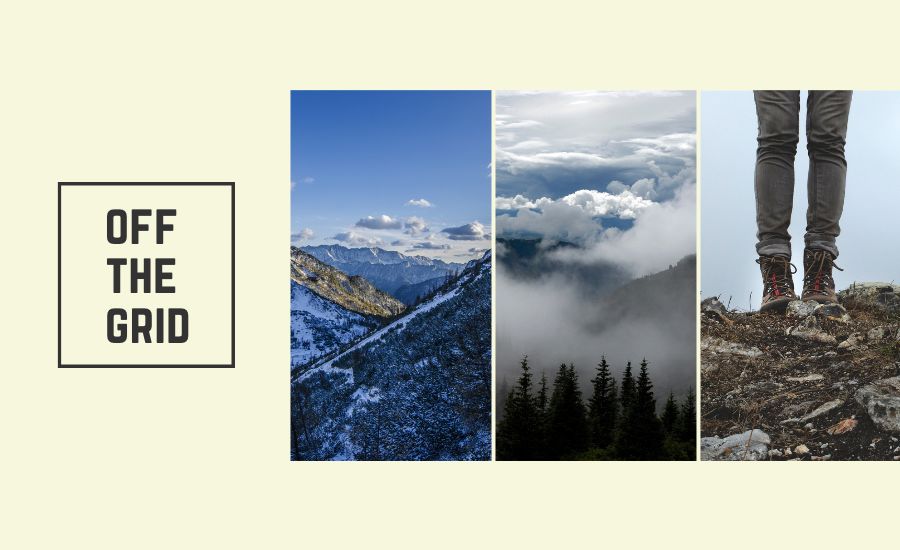
Is Rural Colorado Right for You? What to Know Before Moving Off the Grid
Dreaming of space, quiet, and a slower pace of life? Rural Colorado—especially around Mancos, Dolores, Cortez, or Durango and nearby areas—has become a top destination for people ready to leave cities behind. But before you make the move, it’s critical to understand what “off the grid” really means here—and whether the lifestyle fits your expectations.
What Does “Off the Grid” Mean in Southwest Colorado?
Going off-grid doesn’t always mean total isolation. In much of rural Montezuma and La Plata counties, it simply means you're not connected to municipal services. That includes:
- No city water—you’ll need a well or water cistern.
- No sewer system—you’ll rely on septic or composting toilets.
- Limited trash pickup—you may need to haul waste to a transfer station.
- Electricity options vary—some homes are on the grid, others rely on solar or generator systems.
Internet? Starlink has made reliable high-speed service possible in many remote spots, but check exact coordinates before buying. Cell service can be hit or miss outside of Durango and Cortez.
Who’s Moving Off the Grid—and Why?
Remote workers, retirees, homesteaders, and families seeking land are all showing interest. “We moved here from the Bay Area for peace, privacy, and space to grow our own food,” said Annie Torres, now living 15 minutes outside of Dolores. “It’s not for everyone, but for us, it’s freedom.”
Many buyers want:
- 10+ acres for horses, livestock, or gardens
- Minimal restrictions (check county zoning and HOA rules carefully)
- Outdoor recreation—hiking, fishing, hunting, ATV riding
- Lower property taxes and cost of living
The Benefits of Rural Living in Colorado
- Affordability: Land prices are still reasonable compared to mountain resort towns.
- Privacy: You’ll have space between you and your neighbors—maybe miles.
- Scenery: You’ll wake up to mountains, open sky, and wildlife.
- Community: Locals look out for each other. Towns like Mancos and Dolores host farmers markets, live music, and community potlucks.
Challenges to Prepare For
Rural life isn't always easy. Be prepared for:
- DIY lifestyle: You’ll need to know—or learn—basic maintenance and repairs.
- Longer drives: Grocery runs may be 30–60 minutes round trip.
- Snow: Roads may not get plowed quickly in winter. Four-wheel drive is essential.
- Wildfire risk: You’ll need defensible space and insurance coverage.
- Limited medical services: Urgent care or hospitals could be 30+ miles away.
What to Ask Before You Buy
- Does the property have legal water rights or an existing well?
- Is there septic installed and permitted?
- What are the zoning rules—can you build, farm, or operate a business?
- How’s access in winter—is the road maintained?
- Is power nearby or will you need solar/off-grid systems?
Weather and Seasons
Southwest Colorado sees four distinct seasons. Summers are warm and dry with highs in the 80s. Fall brings golden aspens and mild temps. Winters can be snowy but sunny, with lows in the teens and highs in the 30s. Spring is unpredictable—mud season is real, and rural roads can get tricky.
“We heat with a wood stove, have solar and a backup generator. If you like independence and don’t mind preparing, this life is rewarding,” said Daniel W., a Mancos homesteader who moved from Denver in 2021.
Is It Right for You?
If you value quiet, land, and self-sufficiency over convenience and nightlife, rural Colorado may be exactly what you’re looking for. But it’s not a vacation—it’s a lifestyle shift. Visit in winter, talk to locals, and work with a real estate agent who knows rural properties inside and out.
Blue Sky Homes and Land specializes in off-grid, rural, and lifestyle properties throughout Southwest Colorado. Ready to start your search?